
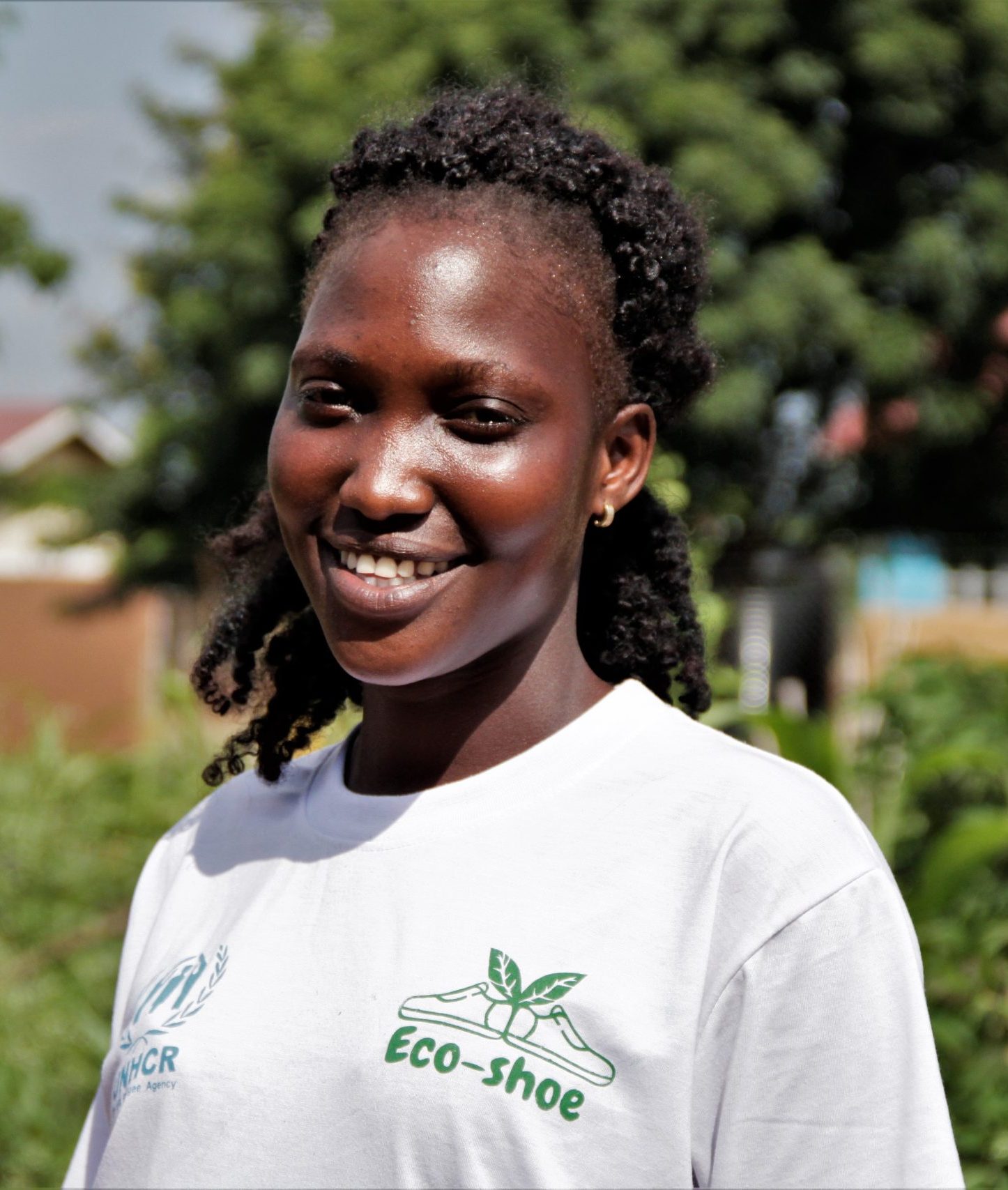
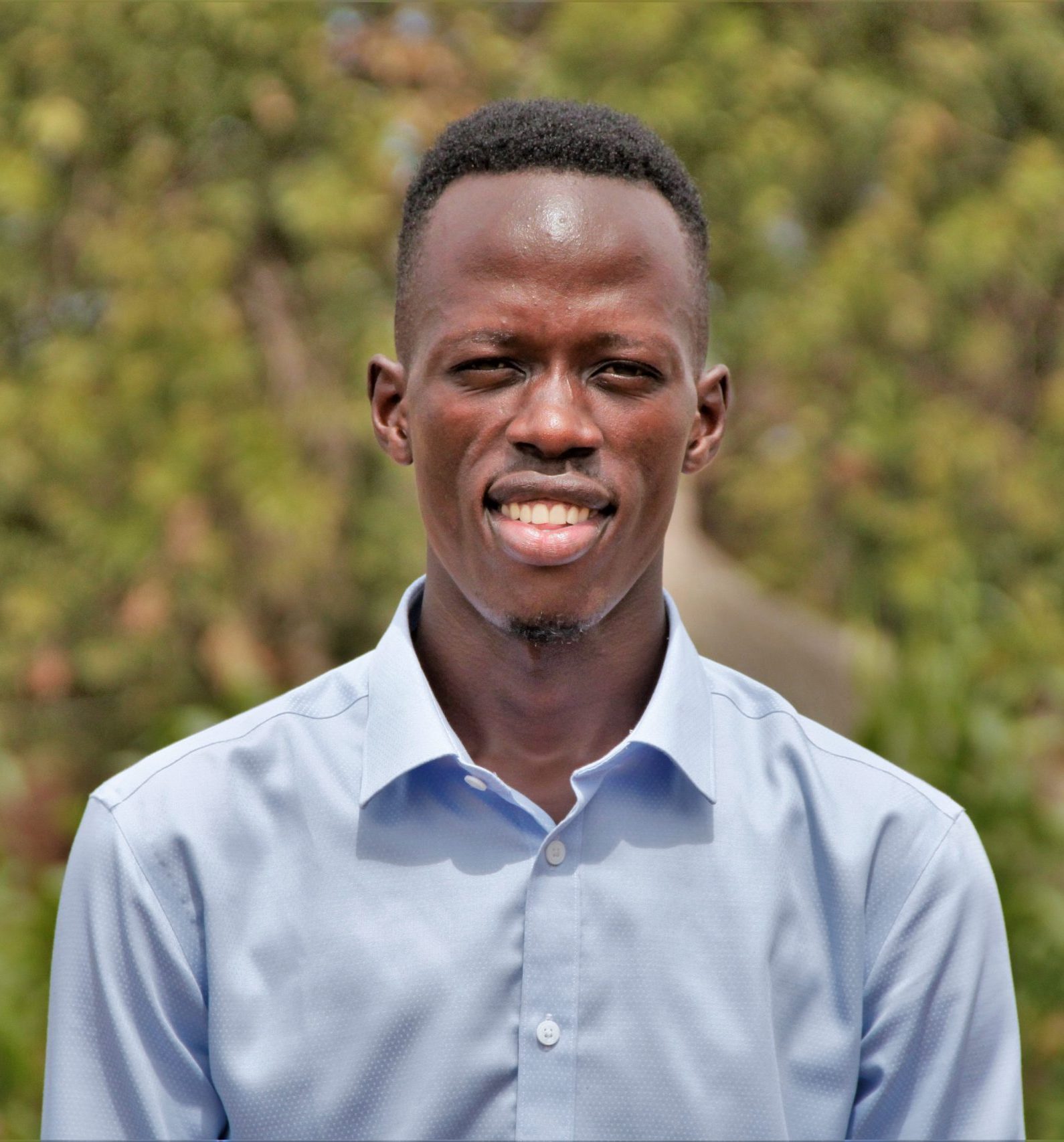
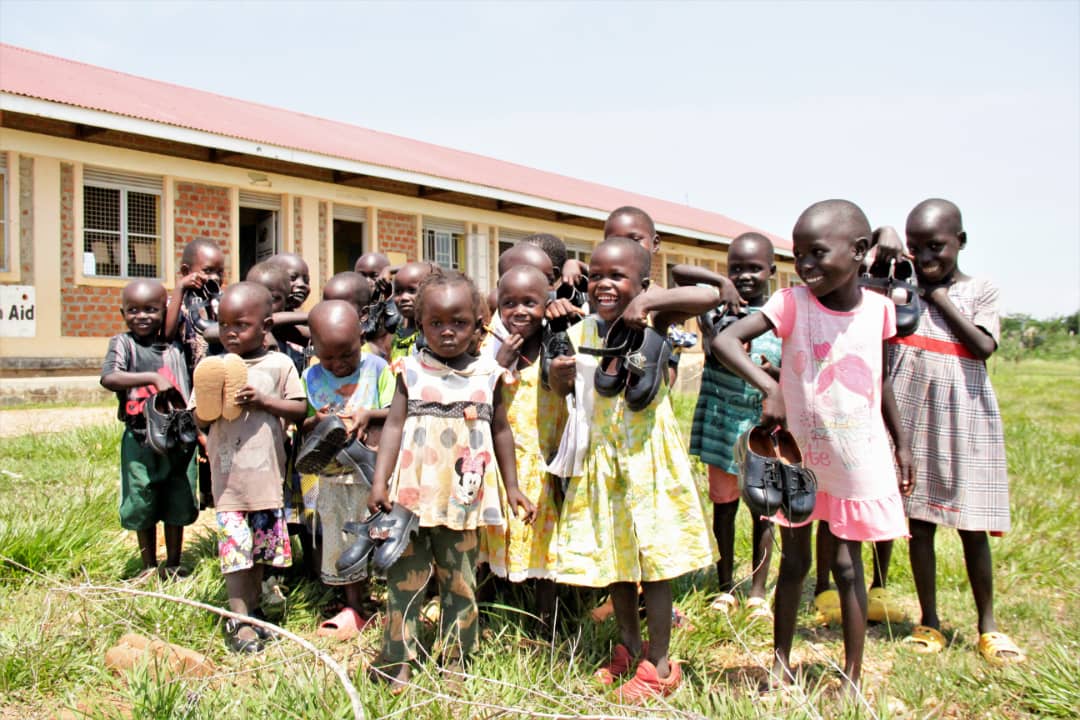
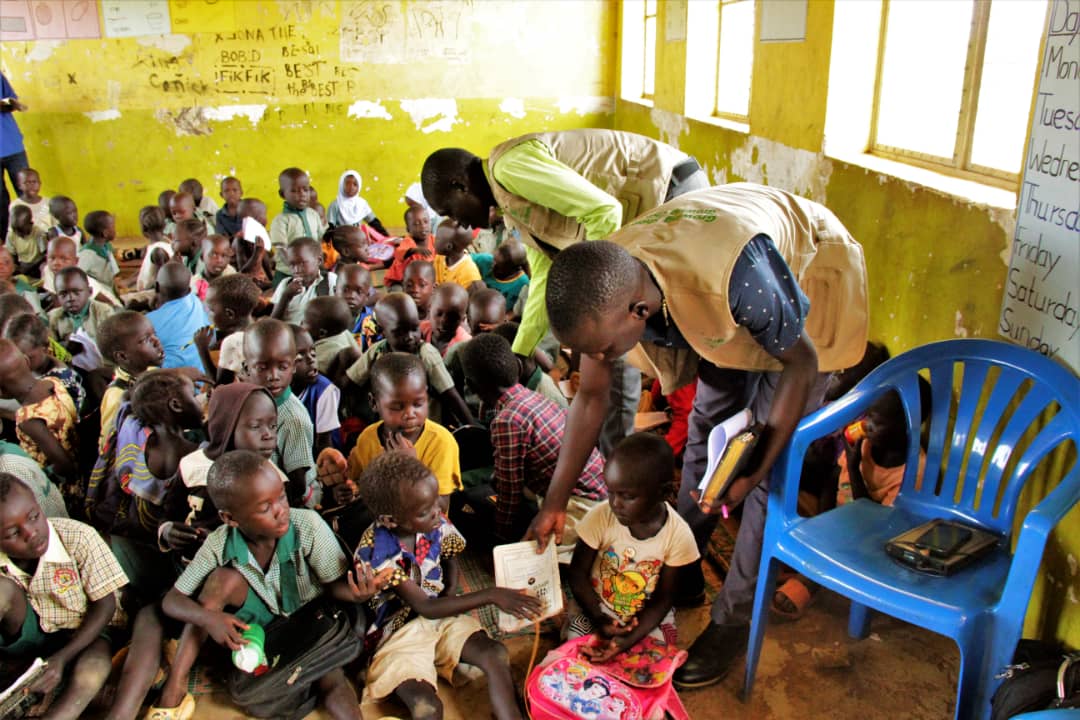
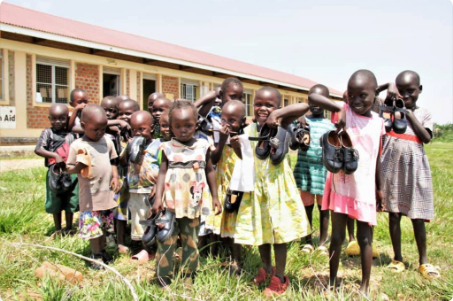





REDA began as Eco-Shoes Africa, a community-based organization that sought to address the challenge of refugee children lacking proper shoes for accessing education.
They supported refugee children with proper footwear while training young people in sustainable shoe-making and entrepreneurship. As the founders worked closely with their communities, they realized that empowerment went far beyond footwear. It meant giving people the tools, skills, and confidence to rebuild their own lives.
In 2025, the organization transformed into the Refugee Empowerment and Development Agency (REDA) to reflect its expanded purpose with a mission of restoring dignity, hope and self-reliance among refugees
REDA aims to empower refugees with the skills, resources, and opportunities to engage in productive economic activities, such as tailoring, hairdressing, carpentry, building, shoe-making, agriculture, and small-scale trade.
Education is a vital tool for empowerment. REDA seeks to increase access to both formal and in-formal education for refugee children, youth, and adults. This includes vocational training, literacy programs, and scholarships.
REDA works to promote awareness and respect for the rights of refugees as outlined in international and national laws.
The agency prioritizes the inclusion and empowerment of women and girls by addressing gender-based violence, promoting equal participation in leadership and decision-making, and supporting women’s economic and educational advancement.
Recognizing the trauma and stress many refugees face, REDA provides psychosocial support through counseling, peer support groups, and mental health awareness activities.
REDA integrates environmental sustainability into all its programs by encouraging eco-friendly practices such as recycling, tree planting, waste management, and the use of renewable energy.
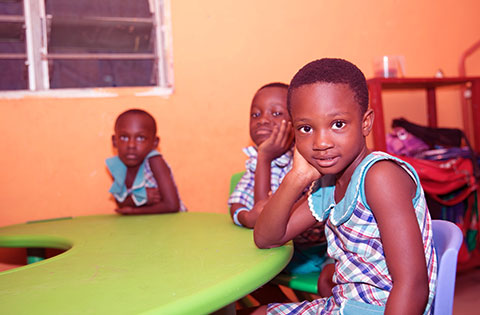
Amina is 11 years old and lives in the settlement with her grandmother. For months, she missed school because the long walk on rough roads hurt her bare feet. After receiving a pair of shoes, Amina returned to school full time. She now arrives early, participates in class, and says she wants to become a teacher one day.
John, a 13 year old boy, was often teased at school for not having shoes. This affected his confidence and attendance. When he received his new shoes, his behavior changed immediately. His teacher reports improved participation, better focus, and a big smile that never leaves his face.
Lorem ipsum dolor sit amet, consectetur adipiscing elit. Ut elit tellus, luctus nec ullamcorper mattis, pulvinar dapibus leo.